
My home was broken into
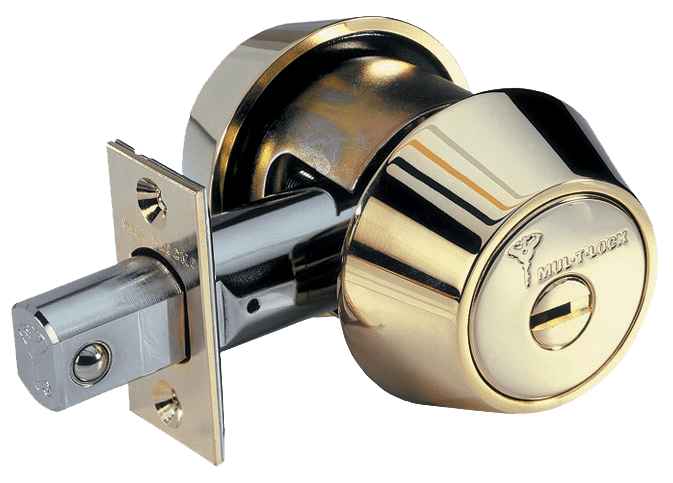
General advice on the steps necessary to ensure and restore security after a burglary
The first thing to remember is that you may be walking into a crime scene—and potentially an unsafe situation. There is always a possibility, however small, that the burglar or an accomplice may still be inside. Do not put yourself at risk by entering the property to find out.
If you return home and discover that a door or window has been forced, stop and assess the situation from a safe position. Do not enter the property if there is any reason to believe that someone may still be inside. Do not confront or attempt to apprehend anyone.
If you can safely do so without approaching the property, look for obvious signs of movement or further damage. However, do not rely on looking through windows or calling into the house to establish that it is empty. Doing so could alert or provoke an intruder and put you at greater risk.
Instead, move to a safe location—such as your car, a neighbour’s home, or another secure place—and contact the police. If you believe the intruder may still be inside, or there is an immediate threat to anyone’s safety, call 999. If you have discovered the burglary after the event and there is no immediate danger, report it to the police through the appropriate non-emergency channel, normally 101 or your local police force’s online reporting service.
Make a note of the Police Crime Reference Number (or incident number) you are given. Your insurer may require this when you make a claim. Keep copies of any correspondence or reports relating to the incident. However, one should have very little expectation that the police will either arrive on the scene quickly or apprehend the culprits. The police results across the UK are shockingly low.
Preserve the crime scene
If the property appears to be empty and safe, do not touch, clean or move anything unnecessarily. Treat the property as a crime scene until you know whether the police wish to examine it.
Avoid handling:
- the damaged door, frame or locks
- broken windows or glass
- drawers, cupboards and furniture that appear to have been disturbed
- objects that may have been handled by the intruder
- anything that appears to have been left behind.
If you can do so without entering or disturbing anything, take photographs or video of the damage. Photograph forced entry points, broken glass and other visible damage from several angles.
If you notice blood, fingerprints, footprints, tools, clothing or other material that may have been left behind, do not touch or move it. Blood in particular could potentially provide useful forensic evidence.
Do not attempt to clean up the property or put everything back in order before the police have advised you that it is appropriate to do so.
Restore the security of the property
Once the police have dealt with the immediate situation, your next priority is to make the property secure again.
If you rent the property, contact your landlord, letting agent or building management company immediately. They may have an established locksmith or emergency contractor and may also be responsible for repairing the damaged door, window or frame.
If you own the property, contact a reputable emergency locksmith or door/window security specialist. Make clear that the property has been burgled and that you need an urgent temporary repair to prevent further entry.
Where possible, do not authorise permanent repairs that will destroy important evidence until you have established whether the police need to examine the damage. If the property must be secured immediately, ask the locksmith to make it safe while retaining the damaged components where practical.
A temporary repair may involve boarding up a broken window or securing a damaged door. The permanent repair should be carried out after the damage has been assessed.
Check the whole entry point—not just the lock
A burglar may have damaged more than the lock itself. Ask the locksmith or security contractor to inspect the entire door and frame assembly, including:
- the door itself
- the door frame and jamb
- the deadbolt and latch
- the strike plate
- the screws and fixings securing the lock and strike plate
- hinges and hinge-side security
- secondary locks
- nearby windows
- patio or rear doors
- any other possible points of entry.
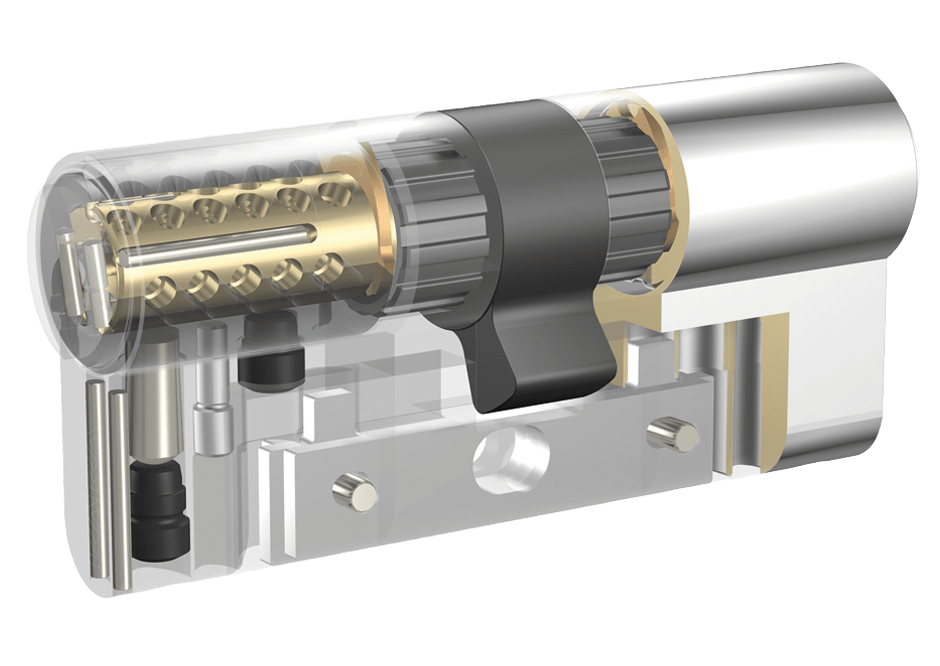
Replacing only a broken cylinder or lock may not restore adequate security if the frame or fixing points have been damaged.
Where appropriate, consider upgrading to a properly reinforced lock and strike assembly and strengthening the frame and fixing points. If there is any possibility that the burglar obtained a key, have the locks re-keyed or replaced.
Contact your insurance company
Notify your home insurer as soon as possible and in accordance with the notification period in your policy. Do not assume that every policy requires notification within 24 hours; check the terms of your particular policy.
Provide photographs of the damage and list everything that has been stolen or damaged. Include serial numbers, receipts, photographs and other proof of ownership where available.
Keep receipts for emergency expenses such as:
- emergency locksmith work
- boarding-up or temporary repairs
- replacement locks
- replacement windows or doors
- other reasonable measures required to make the property secure.
Before throwing away damaged items, check with your insurer because they may want to inspect them.
If the property is badly damaged
If the door, frame, windows or other parts of the building have been seriously damaged, or if there is any concern about the structural integrity of the property, do not assume that it is safe simply because the burglar has left.
Arrange for the damage to be professionally assessed. If the property cannot be adequately secured, make alternative arrangements for somewhere safe to stay and speak to your insurer about emergency accommodation if your policy provides for it.
Once the immediate danger has passed: improve your security
A burglary is an opportunity to review the security of the entire property rather than simply replacing the item that was damaged.
Consider:
- upgrading external doors and frames where necessary
- installing properly fitted, high-security locks
- reinforcing vulnerable door and frame fixing points
- improving window locks and security
- installing suitable external and internal CCTV
- installing motion-activated security lighting
- improving lighting around entrances, side passages and rear gardens
- trimming vegetation that provides places for someone to hide
- checking gates, garages and sheds
- ensuring that ladders and other equipment that could assist entry are securely stored.
CCTV can provide useful evidence if another incident occurs and can also act as a deterrent. If you install cameras, make sure they are positioned and operated in accordance with applicable privacy and data-protection requirements.
A clearly visible security camera or alarm warning can also signal that the property is protected. Avoid displaying information that reveals when the property is likely to be empty.
Good exterior lighting is particularly useful around otherwise dark entrances, side passages and rear gardens. The objective is to reduce opportunities for someone to approach, work or leave the property without being noticed.
Finally, don’t overlook your personal security
After a burglary, it is easy to concentrate entirely on locks, doors and windows. Also consider whether anything was stolen that could compromise your identity or personal security.
If keys, identity documents, financial information, phones, computers or other sensitive items were stolen, take appropriate steps to protect yourself. This may include changing passwords, contacting your bank or card provider, cancelling stolen cards, replacing identification documents and changing locks if keys were taken.
If you have smart-home equipment, cameras, alarms or other connected devices, change their passwords and check that no unauthorised users or devices have been added.
A burglary is understandably upsetting, but the immediate priorities are straightforward:
Get yourself somewhere safe → contact the police → preserve evidence → secure the property → notify your insurer → repair and strengthen the points of entry → review the security of the whole home.