uPVC Doors, Why Not?
When choosing a new front door or garden door, uPVC is often one of the options homeowners consider. It is widely available, seems relatively affordable, and generally requires little maintenance. For many years, uPVC doors have been a familiar sight on British homes, offering a practical solution for homeowners looking to replace old or draughty doors without spending a fortune. Nevertheless, uPVC doors age too and unlike traditional wooden door that can be painted, uPVC are not. Once the colour deteriorates or is stained by sunlight, it reveals the age of the door.
Moreover, just because uPVC doors are popular does not necessarily mean they are the best choice. While they undoubtedly have their advantages, there are several reasons why homeowners might want to look beyond uPVC when choosing a new entrance or garden door. From appearance and durability to security, environmental considerations and long-term value, it is worth examining the alternatives before making a decision.
Appearance and kerb appeal
Your front door is one of the most prominent features of your home. It creates the first impression for visitors and passers-by, and it can have a significant impact on the overall appearance of your property. An old and rundown door can reflect on the price of the property when up for sale.
Although modern uPVC doors are available in a variety of colours, finishes and styles, some can still look relatively plain or plastic-like. Even textured finishes designed to imitate wood may struggle to replicate the natural character and depth of genuine timber.
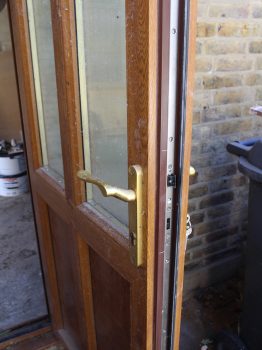
For homeowners with period properties, traditional cottages or houses with distinctive architectural features, a standard uPVC door may look out of place. A timber door, for example, can complement traditional brickwork, stone façades and original architectural details far more naturally.
Aluminium doors, meanwhile, offer clean lines and contemporary styling that can suit modern properties particularly well.
Of course, appearance is subjective, and premium uPVC doors can look attractive. Nevertheless, if kerb appeal and architectural character are priorities, it is worth comparing different materials before settling on uPVC.
Durability and long-term performance
One of uPVC’s main selling points is its resistance to rot and corrosion. Unlike untreated timber, it doesn’t absorb moisture the same way and generally requires little maintenance.
However, uPVC is not indestructible. Prolonged exposure to sunlight, temperature fluctuations and general wear can affect its appearance and performance over time. Depending on the product’s quality and exposure, discolouration, surface deterioration or brittleness may eventually become concerns.
The performance of a door also depends on its construction, hardware, installation and maintenance. Hinges, locks, seals and other moving components can wear out regardless of the material used. The locking mechanism of uPVC doors & windows consists of a large number of moving parts. It’s constructed to give maximum security by locking the door into the frame with three bolts or more, depending on specs and budget. However, when it’s worn down, it can fail, which leads to doors refusing to lock or open. These repairs can be costly.
High-quality timber doors can last for decades when properly maintained, while well-made aluminium doors can also offer excellent longevity. Although these alternatives may cost more initially, their lifespan and repairability can make them attractive long-term investments.
The important consideration is not simply which material lasts longest, but which door offers the best balance of durability, maintenance and cost for your particular home.
Security is about more than the material
Security is naturally a major consideration when choosing a front door or a door leading into the garden.
uPVC doors can offer good security, particularly when they incorporate reinforced frames, multipoint locking systems, suitable cylinders and recognised security features. However, not all doors are manufactured to the same standard.
Some lower-cost products may have less substantial construction or hardware than premium alternatives. The same concern applies to inexpensive timber and aluminium doors. A door’s security depends on the complete assembly: the door leaf, frame, locks, hinges, glazing and the quality of the installation. A poorly fitted door can undermine even an otherwise excellent locking system. When purchasing doors and frames, it is important to verify that they meet British Standards and not a cheap alternative.
For garden doors, where large glazed areas may be involved, it is particularly important to consider the security of the glass and its surrounding frame. Rather than assuming that one material is automatically more secure, homeowners should compare independently tested products and look for recognised standards, such as PAS 24, where appropriate. Worth noting that extra security is needed in an area which is secluded from view, such as floodlights or extra CCTV, which would deter potential burglars.
Thermal performance and comfort
Energy efficiency is another reason many homeowners choose uPVC. Modern uPVC doors can provide good insulation, helping to reduce heat loss and draughts.
However, uPVC does not automatically guarantee superior thermal performance. The quality of the glazing, insulated core, seals, frame design and installation all contribute to the finished door’s efficiency. A well-designed aluminium door with an effective thermal break can also perform very well, while a high-quality timber door can provide excellent insulation.
For garden doors, especially those incorporating extensive glazing, the glass specification can make a considerable difference to comfort and energy consumption. Also, the heat loss from glass is much higher when the double-glazed window gauge is narrow. It is advisable to chose a wider gague widow to prevent it. For EPC testing, doors that have less than 60% solid surface are not considered as doors but rather as windows.
It is therefore sensible to compare the thermal performance of complete door systems rather than choosing purely based on the frame material.
Environmental considerations
For environmentally conscious homeowners, the materials used in a new door deserve consideration.
uPVC is a plastic-based material derived primarily from fossil-fuel feedstocks. Although some uPVC products can be recycled, collection, processing, and the availability of suitable recycling facilities can affect what happens at the end of a door’s useful life.
Timber sourced from responsibly managed forests is a renewable material, while aluminium can also be recycled, although producing primary aluminium is energy-intensive.
There is no simple answer to which door is the most environmentally friendly. Manufacturing impacts, recycled content, transport, maintenance, service life and end-of-life disposal all matter. Nevertheless, choosing a durable product that can be repaired and used for many years is an important part of reducing waste, whatever material you select.
Are uPVC doors really the cheapest option?
Price is often the deciding factor, and uPVC doors are generally available at competitive prices. For homeowners working within a tight budget, this can make them an appealing choice.
However, the cheapest initial purchase is not always the best long-term investment. Installation costs, replacement hardware, maintenance requirements, expected lifespan and future replacement costs should all be considered. A more expensive timber or aluminium door may offer advantages in appearance, design flexibility or longevity that justify the additional expenditure.
Equally, a quality uPVC door may provide excellent value when its performance, price and maintenance requirements suit the property. The key is to compare like-for-like products rather than assuming that the lowest quotation represents the best deal.
Why not consider the alternatives?
uPVC doors are popular for good reasons. They can be affordable, practical, energy-efficient and easy to maintain. For many properties, they remain a perfectly sensible choice.
However, popularity should not prevent homeowners from exploring other options. Whether you are replacing your front door or installing new garden doors, timber and aluminium may offer benefits in appearance, design, repairability and long-term performance that are worth considering.
Ultimately, the best door is not necessarily the one made from the most popular material. It is the one that suits your property, budget, security requirements and personal taste.
So, before choosing uPVC simply because it is familiar or inexpensive, take the time to compare the alternatives. After all, your front door is more than just an entrance, and your garden door is more than just a way to get outside. Both are important features of your home, and choosing the right ones can make a difference for years to come.