
Anti-Snap Locks vs Regular Locks
What’s the Difference?
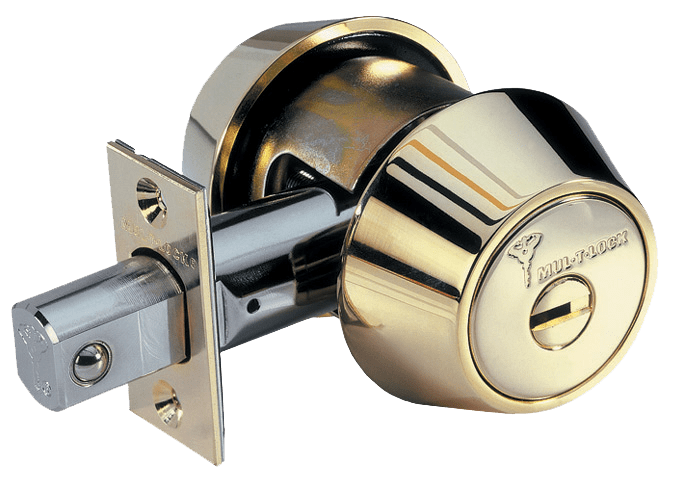
When it comes to securing your home, your front door lock plays a vital role in protecting your property. However, not every lock provides the same level of security. Many homeowners don’t realise that some standard locks are vulnerable to a form of forced entry called lock snapping.
In this guide, we’ll look at the key differences between traditional locks and anti-snap locks, explain how each type works, and explore why upgrading your lock could make a significant difference to the security of your home.
What Is a Regular Euro Cylinder Lock?
A standard euro cylinder lock is one of the most widely used locking systems fitted to uPVC, composite, and aluminium doors across the UK.
These locks are cost-effective, straightforward to replace, and offer basic day-to-day protection for millions of properties. However, older or cheaper euro cylinders can have a potential weakness that may be targeted by burglars.
The vulnerable part of the cylinder is the section that extends through the door handle. With basic tools, an intruder may be able to apply pressure to this exposed area, causing the cylinder to break. Once the lock has been snapped, the internal mechanism can often be accessed, and the door unlocked in a matter of seconds.
Unfortunately, this method does not require a high level of expertise and has been used in numerous break-ins over the years.
What Is an Anti-Snap Lock?
An anti-snap lock is a specially designed euro cylinder that protects against lock snapping.
Rather than breaking in a way that allows access, an anti-snap cylinder is engineered with sacrificial sections. If excessive force is applied, only the outer section breaks away while the internal locking mechanism remains secure.
Many modern anti-snap cylinders also include additional security features such as:
- Anti-pick protection
- Anti-drill pins
- Anti-bump technology
- Reinforced hardened steel components
- Multiple locking pins for increased resistance
These combined features make anti-snap locks significantly more difficult to attack than standard cylinders.
Key Differences at a Glance
Regular Lock
- Basic security
- Can be vulnerable to lock snapping
- May not meet modern security standards
- Lower initial cost
- Suitable for older installations
Anti-Snap Lock
- Enhanced security
- Designed to resist snapping attacks
- Often tested to recognised security standards
- Higher level of protection for a modest additional investment
- Recommended for modern home security
Why Upgrade to an Anti-Snap Lock?
Better Protection Against Burglary
Lock snapping remains one of the quickest methods used to gain entry through vulnerable euro cylinder locks. Upgrading removes one of the most common weaknesses in your front door security.
Insurance Compliance
Some home insurance policies expect external door locks to meet recognised security standards. Installing a quality anti-snap cylinder can help ensure your property meets current security expectations. Always check your individual policy requirements.
Peace of Mind
Whether you’re at home, at work, or away on holiday, knowing your door is fitted with a higher-security lock offers valuable reassurance. However, it is recommended that you instruct a friend or family member to check on the property every so often while away.
Affordable Security Upgrade
Replacing a euro cylinder is usually straightforward and far less expensive than replacing an entire door. For a relatively small investment, you can significantly improve your home’s security.
How Can You Tell If You Already Have an Anti-Snap Lock?
Many modern anti-snap cylinders feature markings or certification symbols on the front of the lock, although this is not always the case.
If your lock was fitted several years ago, it could be an older standard cylinder that does not include anti-snap protection. If you’re unsure, a professional locksmith can identify the type of cylinder installed on your door and recommend whether replacing it would be worthwhile.
Are Anti-Snap Locks Worth It?
For most homeowners, upgrading to an anti-snap lock can be a worthwhile investment.
When you consider the relatively small cost of upgrading compared with the potential impact of a break-in, anti-snap cylinders can offer a good level of additional protection. They are also among the simplest security improvements you can make to your doors.
Alongside strong door handles, properly secured hinges, and sensible home security measures, an anti-snap lock can play an important role in helping to keep your property secure.
Your front door is one of the key points of protection for your home. Although standard locks may continue to work without any obvious problems, many older cylinders may not offer the level of security that modern homes require. The same consideration applies to back doors, side entrances, and garden doors.
Replacing an older cylinder with an anti-snap lock is a straightforward and affordable way to improve your home’s security and help reduce the risk of forced entry.
If you’re not sure what type of lock is currently fitted or would like professional guidance, speaking to a qualified locksmith can help. A quick inspection can identify your existing lock and ensure you have a suitable security solution for your property.